
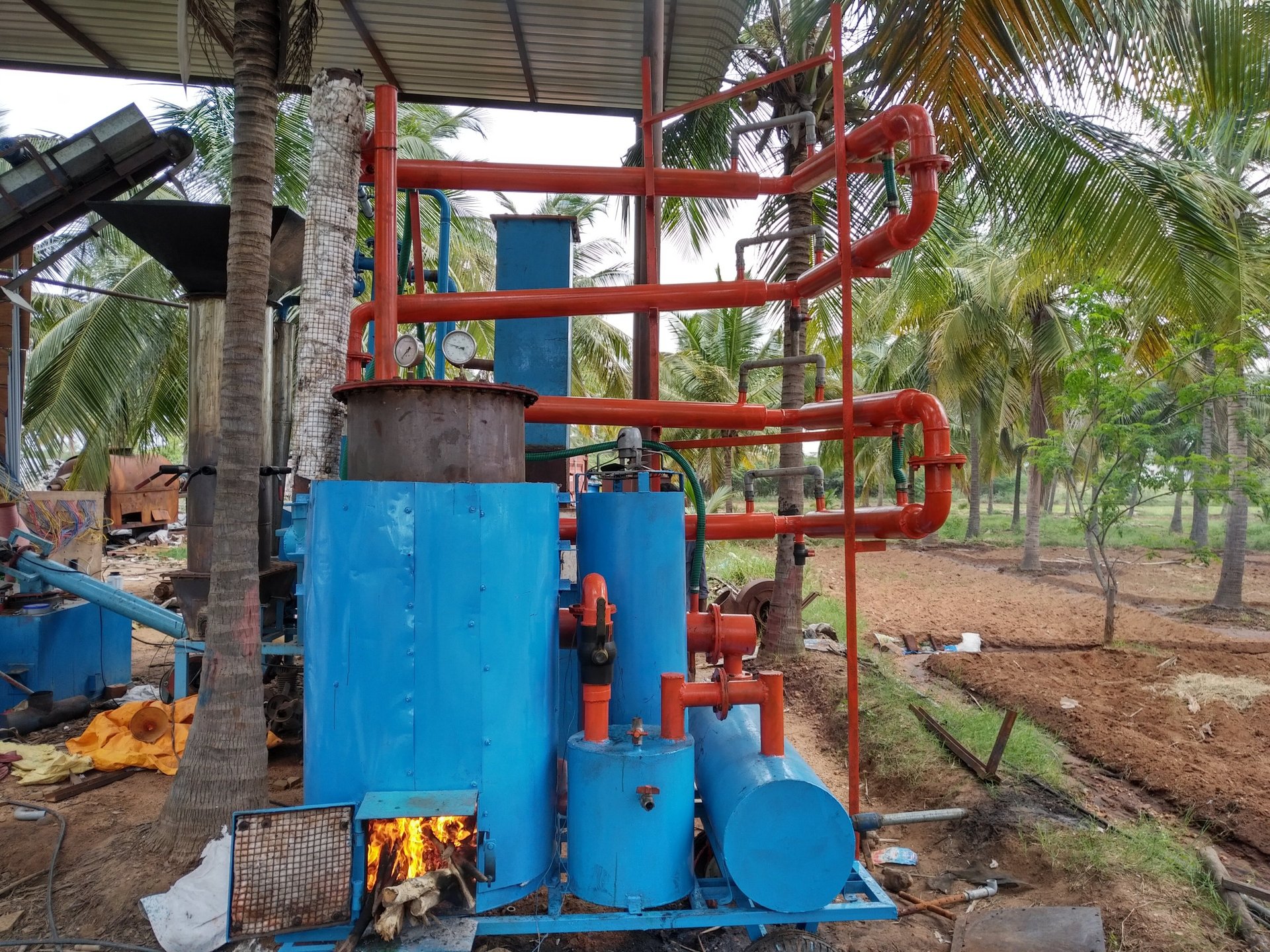
Veera's Continuous Pyrolysis Plant
Transforming plastic waste into valuable energy through advanced continuous pyrolysis technology.
Revolutionizing Waste Management
Transform plastic waste efficiently into valuable energy with advanced pyrolysis technology.
Continuous Process Efficiency


Maximizing operational efficiency with innovative feeding and catalyst technologies.


Remote Monitoring Control
Ensure safety with high-temperature sensors and mobile control for optimized management.
Environmentally friendly design that eliminates harmful emissions while repurposing all outputs.
Zero Waste and Emissions
100% Wax-Free System


Our Proprietary technology ensuring clean, wax-free pyrolysis oil for high-quality output in all machines.


Customizable Energy Source Options
Tailor the energy inputs to suit local requirements, ensuring flexibility and adaptability.
Transforming plastic waste into absolute valuable outputs with up to 85% efficiency in our products.
High Efficiency Conversion
Key Benefits of Veera’s Continuous Pyrolysis Plants
Sustainability




Cost savings
Efficiency




Innovation


Safety


Scalability
How Continuous Pyrolysis Works
Continuous pyrolysis is an advanced method of converting plastic waste into valuable energy resources without the need for interruptions in the process. Unlike batch pyrolysis, which requires frequent stops for loading and unloading, continuous pyrolysis operates non-stop, making it more efficient and cost-effective.
Waste Collection
Plastic waste from various sources, including industrial and post-consumer plastics, is collected and fed into the reactor continuously. This includes non-recyclable plastics like packaging waste, which would otherwise end up in landfills.Feeding into the Reactor
The plastic waste is fed into the pyrolysis reactor through a conveyor system. The continuous process ensures that new material is constantly introduced without the need for shutdowns, leading to higher efficiency.Heating and Pyrolysis
Inside the reactor, the waste plastic is subjected to high temperatures in the absence of oxygen, breaking down the long-chain polymers into smaller molecules. This thermal degradation results in the production of pyrolysis oil, gas, and other byproducts. The process is optimized through proprietary catalyst and heating technology, ensuring maximum yield.Separation of Outputs
The pyrolysis gas and oil are separated during the process. The gas can be used for heating or energy generation, while the pyrolysis oil can be refined for use in industries like cement, steel, and glass production. This maximizes the value derived from the waste.Continuous Monitoring and Control
The process is monitored through advanced control systems, including remote monitoring via mobile devices. Temperature, pressure, and other critical parameters are tracked to ensure optimal performance and safety.Zero-Waste, Zero-Emission
Any uncondensed gas can be redirected into the system for energy generation or other heating applications. This ensures a zero-waste and zero-emission system, contributing to a cleaner environment.
The continuous process allows for an uninterrupted flow of waste plastic conversion, reducing labor costs and boosting output efficiency, making it a highly viable solution for large-scale waste-to-energy projects.


Applications of Pyrolysis Output

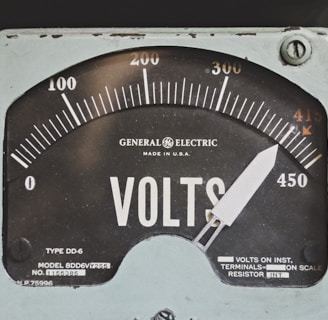
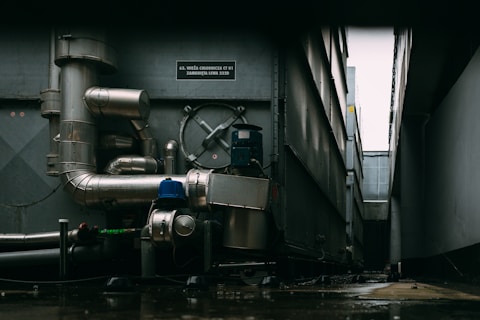



Energy Generation
Fuel for Boilers and Kilns
Alternative Fuel for Transport
Raw Material for Chemical Industries
Gas for Heating Applications
Industrial Use in Glass, Cement, and Steel
Contact Us for Pyrolysis Solutions
Get in touch to learn more about our technology.


VEERA GROUP
Transforming waste into energy for a greener future.
WANT TO DISCUSS?
FOR NEWSLETTERS
+91-9952258626
©Veera Group 2013. All rights reserved.